Cybersecurity
Guide to SOC 2 Compliance Software for Startups
A comprehensive overview of compliance automation platforms that help startups streamline evidence collection and continuously monitor security controls for independent CPA audits.
Securing enterprise clients as an early-stage technology company frequently depends on proving rigorous data security practices. Scaling organizations must decide how to transition from chaotic, manual evidence gathering to automated, continuous control monitoring. Deploying the right compliance platform and workflow automation dictates whether engineers stay focused on core product development or drown in endless administrative requests during an audit.
Instead of relying on periodic manual sampling, modern platforms integrate directly with existing cloud infrastructure and identity providers. This approach systematically captures the configuration logs and access reports that independent auditors require for both point-in-time design and longitudinal effectiveness assessments. Maintaining this continuous technical validation ensures an accurate, ongoing record of security compliance.
Understanding how Atlas verifies guidance clarifies the evaluation process behind this assessment. The analysis relies on official vendor documentation, platform specifications, and product framework details verified in September 2026. This review excludes first-hand testing and benchmark deployments. It also clarifies that software alone never grants certification; an independent CPA firm must perform the actual audit.
Navigating SOC 2 Compliance Challenges for Startups
Early-stage technology companies face substantial friction when proving data security to enterprise clients. Historically, preparing for a SOC 2 assessment demanded hundreds of hours of manual evidence gathering, pulling engineers away from core product development. For scaling businesses, managing complex spreadsheets and manually compiling configuration screenshots offers an entirely unsustainable operational model.
The SOC 2 compliance software that startups rely on fundamentally alters this preparation phase. Modern platforms integrate directly with existing cloud infrastructure and identity providers to establish continuous control monitoring. By replacing static administrative checks with workflow automation, these systems automatically gather the logs and system data required to demonstrate a secure environment.
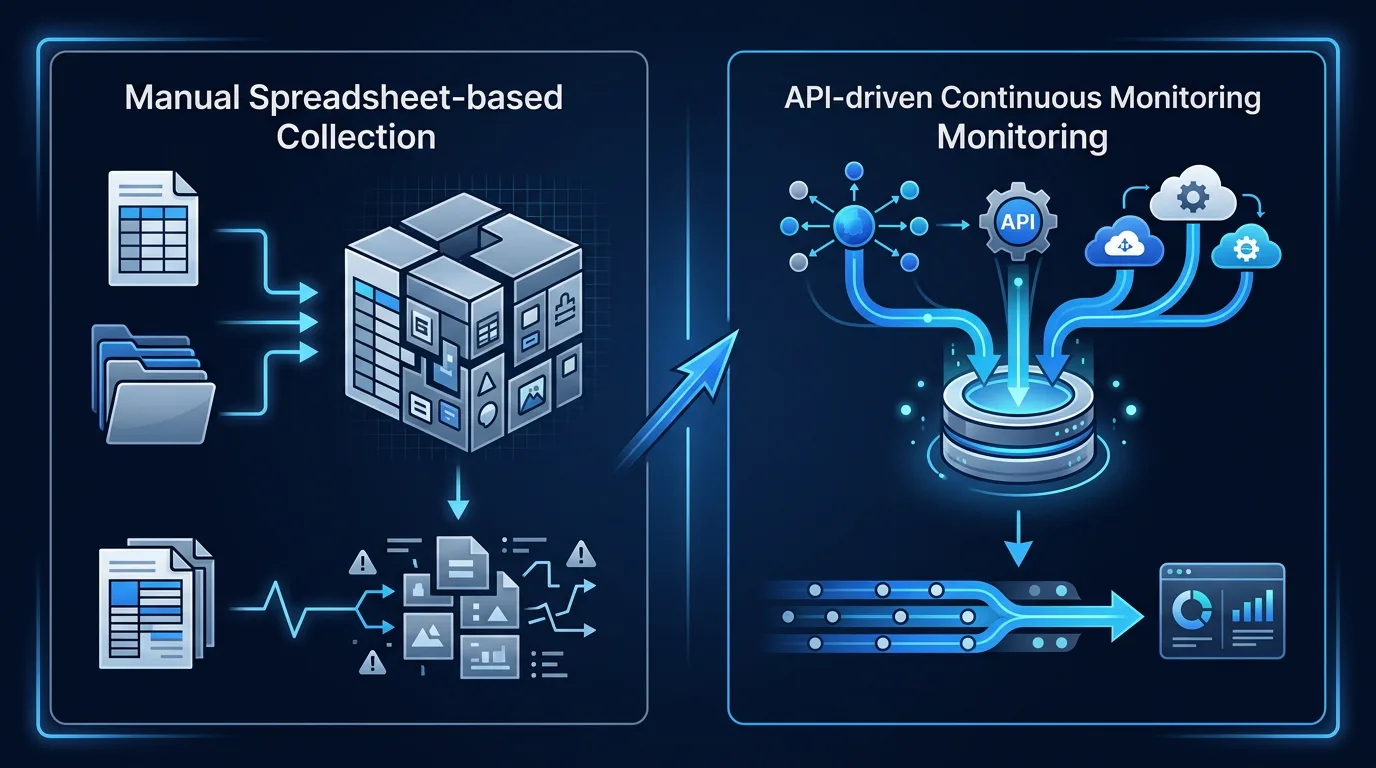
Although these platforms drastically reduce administrative overhead, software alone cannot grant compliance certification. An independent CPA firm must always perform the formal audit. Automated platforms strictly facilitate evidence collection, whether a company captures point-in-time security design for a SOC 2 Type 1 report or tracks operating effectiveness over a sustained period for a SOC 2 Type 2 assessment.
Evaluating Compliance Automation Platforms
Despite reducing the administrative burden of evidence collection, software alone never grants a SOC 2 certification. An independent CPA firm must conduct the formal assessment. Understanding how Atlas verifies guidance requires examining how a platform bridges the gap between technical environments and an external auditor’s requirements. Assessing these solutions means evaluating three core pillars: infrastructure integration depth, continuous monitoring mechanics, and auditor network accessibility.
The primary function of compliance software is extracting reliable data without manual intervention. A rigorous evaluation prioritizes platforms that connect natively to major cloud service providers and identity management systems. Direct integrations enable the continuous control tracking required to prove operating effectiveness over an extended period. Platforms must detect when configurations drift out of compliance and alert responsible teams before auditors review the system logs.
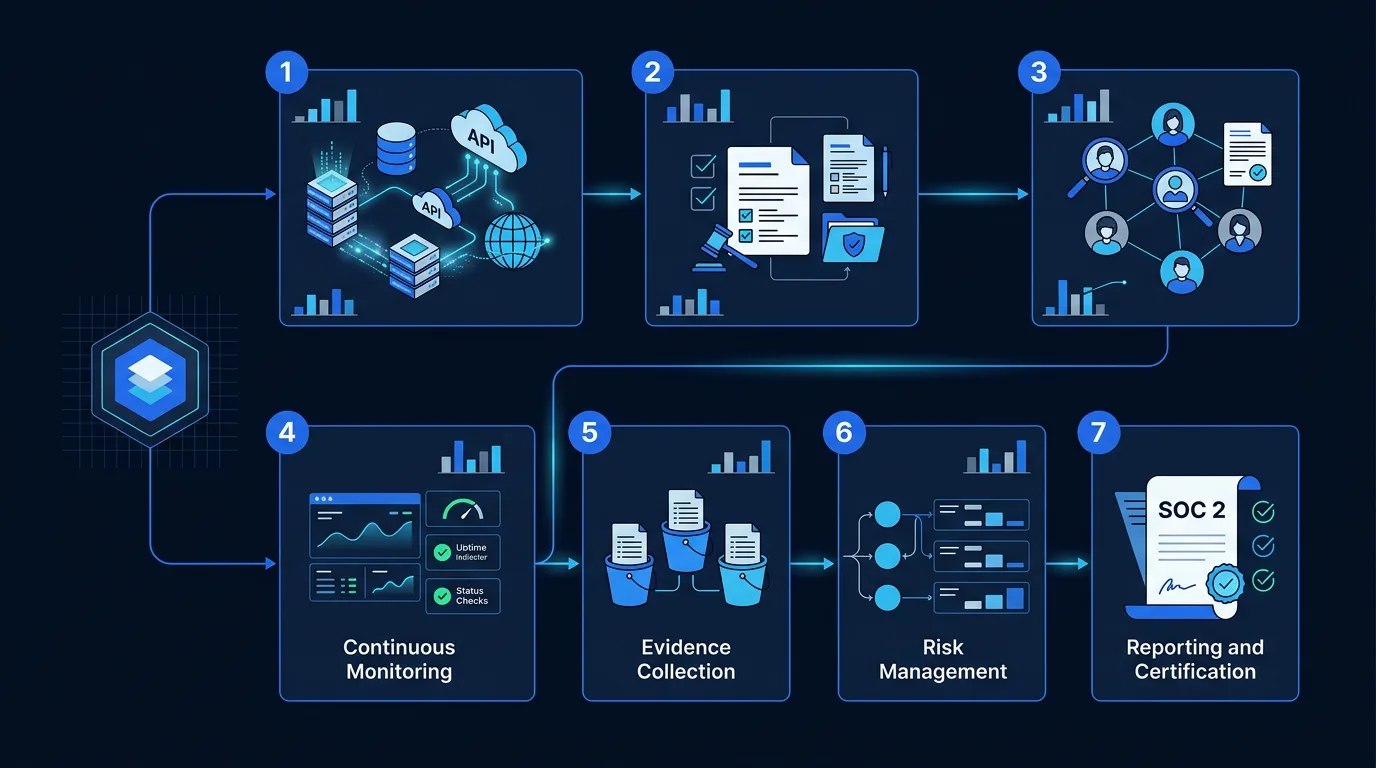
The alignment between a compliance platform and the auditing body determines the efficiency of the final assessment. The best systems offer a curated ecosystem of independent CPA partners or in-house auditing services directly integrated into the software. Assessing these tools requires analysing how smoothly the platform formats and transfers collected evidence, as a disjointed handoff can negate the time saved during the automated collection phase.
Vanta
Proving operational effectiveness over extended periods requires systems that automatically flag control failures as they occur. Vanta addresses this requirement by anchoring its SOC 2 compliance software directly to a startup’s existing technology stack. Rather than relying on periodic manual sampling, the platform establishes continuous monitoring across the organisation’s technical environment to build an ongoing record of security compliance.
This system relies on workflow automation powered by native integrations with major cloud infrastructure environments and identity providers. By connecting directly to these foundational systems, the software frees engineering teams from manually extracting configuration logs or user access reports. As employees join the organisation or change roles, Vanta tracks these identity transitions to verify that access controls remain strictly aligned with the company’s security policies.
This continuous control monitoring framework transforms how early-stage companies approach their formal assessments. Because the software constantly evaluates security mechanisms against SOC 2 criteria, compliance leaders can identify and resolve configuration gaps before an independent auditor begins their review. The resulting repository of continuously collected evidence provides a complete, historically accurate view of the startup’s security posture, directly supporting the rigorous requirements of a Type 2 report.
Secureframe
While continuous monitoring ensures internal security measures remain enforced over time, startups must still translate that internal data into a format external assessors can easily consume. Secureframe manages this phase by prioritising automated evidence collection workflows. The platform maps the technical data gathered from a company’s infrastructure directly to the specific requirements of the SOC 2 framework, reducing the administrative friction typically associated with preparing for a formal assessment.
Rather than requiring compliance teams to manually export system configurations and access logs, Secureframe automates evidence collection across the technology stack. This systematic retrieval ensures that both the point-in-time design proof for a Type 1 report and the longitudinal data required for a Type 2 report are captured accurately. The software categorises this telemetry into distinct controls, allowing administrators to identify and resolve gaps before a formal evaluation begins.
Because compliance software cannot independently grant a SOC 2 certification, bridging the gap between automated data collection and the final assessment remains a critical operational hurdle. Secureframe eases this stage by offering access to a network of independent auditors directly within its ecosystem. By integrating external assessors into the same platform where the evidence is gathered and stored, startups provide their auditing firm with structured access to their compliance posture, standardising the final review process.
Thoropass
While automated evidence mapping simplifies the handoff to external assessors, some organisations prefer to consolidate software preparation and the final audit into a single relationship. Thoropass meets this preference by collapsing the traditional boundary between the technology provider and the auditing firm. Rather than operating strictly as an evidence repository awaiting a third-party review, Thoropass combines compliance automation software with in-house auditing services to deliver a unified platform.
This integrated model changes how organisations evaluate SOC 2 compliance software. Because the platform includes the final assessment phase, engineering and security teams bypass separate procurement processes for a software vendor and an independent auditing firm. The internal auditing team works directly within the Thoropass ecosystem. As a result, the software calibrates naturally to present control evidence exactly as assessors expect to review it.
Keeping preparation and assessment within a single system simplifies the progression through compliance stages. The platform meets the requirements for both SOC 2 Type 1 and Type 2 reports without data migrations or new vendor onboarding. After establishing the point-in-time design proof for an initial Type 1 audit, the system transitions to continuous monitoring. It then gathers the longitudinal data necessary to prove operating effectiveness for subsequent Type 2 renewals.
Sprinto
While the unified software and auditing approach of Thoropass suits organisations seeking a consolidated compliance process, other startups prioritise internal operational scalability. As technology teams expand and cloud environments become more complex, managing internal security protocols often outpaces manual administrative capacity. Sprinto addresses this transition by focusing on how its platform scales evidence collection and policy management specifically for growing B2B SaaS operations. Rather than acting merely as an audit facilitator, the platform is built to embed continuous compliance directly into everyday engineering and human resources workflows.
Maintaining a strong security posture requires consistent oversight of access controls, device security and personnel training. Sprinto integrates with existing business systems to deploy workflow automation across these administrative tasks. When a startup hires new personnel or provisions cloud resources, the software automatically prompts policy acknowledgements and tracks configuration changes. This continuous internal monitoring ensures that minor administrative oversights do not compound into critical security gaps as the company scales.
Translating operational consistency into audit readiness requires systematic data management. Sprinto aggregates the data from automated internal processes into a structured format that aligns with SOC 2 requirements. By continuously capturing this operational data, the platform supports both the initial point-in-time design capture required for a Type 1 report and the longitudinal evidence gathering necessary for a Type 2 assessment. While an independent CPA firm must still conduct the formal audit, Sprinto ensures the required evidence scales naturally alongside the startup’s expanding infrastructure.
Drata
Embedding compliance into daily administrative tasks helps growing software businesses manage personnel and device security. However, achieving a durable SOC 2 Type 2 report ultimately relies on the technical validation of infrastructure. Drata tackles this necessity by anchoring its platform on a continuous monitoring architecture. Instead of treating audit readiness as a periodic data-gathering exercise, the system maintains a persistent watch over the organisation’s technical ecosystem. This ensures that configured security controls remain active and effective over time.
The platform establishes read-only connections across the startup’s existing infrastructure, spanning cloud service providers, code repositories, and identity and access management tools. By integrating directly with the deployment environment, Drata automatically pulls configuration data and system logs. This approach shifts the burden of evidence collection away from engineering teams. When a control strays from its required state—such as a developer temporarily disabling multi-factor authentication or an exposed cloud storage bucket—the continuous monitoring architecture instantly detects the anomaly.
Rather than discovering configuration drift during an active auditor review, security teams receive immediate notifications to correct the control failure. This proactive identification forms a core component of effective workflow automation, allowing startups to demonstrate the continuous operating effectiveness required for a SOC 2 Type 2 assessment. By maintaining a constant, automated stream of evidence from the underlying tech stack, Drata ensures the documentation handed over to an independent CPA firm represents an accurate, ongoing history of the company’s security posture rather than a mere point-in-time snapshot.
Comparing Core Compliance Mechanisms
Relying on deep system integrations to pull configuration data highlights a fundamental divide in modern compliance software. While major systems aim to reduce the administrative burden of SOC 2 audits, they diverge significantly in their approach to evidence gathering and the final external review. Startups must decide whether they need a platform that simply aggregates technical data for a separate external assessment, or one that actively bridges the gap between software preparation and final auditor validation.
Evaluating these compliance mechanisms requires comparing how vendors facilitate technical data collection alongside their paths to the final CPA review. The following table outlines the primary monitoring strategies and auditor ecosystems deployed by several notable compliance platforms, illustrating the different operational models available to growing startups.
| Platform | Primary Monitoring Strategy | Auditor Ecosystem |
|---|---|---|
| Vanta | Cloud infrastructure and identity provider integrations | Independent CPA firm required |
| Secureframe | Automated evidence collection workflows | Built-in network of independent auditors |
| Thoropass | Continuous control monitoring for Type 1 and Type 2 | Unified in-house auditing services |
| Scytale | Built-in risk assessment frameworks for B2B SaaS | Independent CPA firm required |
This comparison highlights a clear operational split in the compliance market. Systems like Vanta and Scytale prioritise deep, continuous control monitoring by integrating directly with existing cloud environments. They rely entirely on the startup to engage an independent CPA firm for the actual audit. Conversely, vendors like Secureframe and Thoropass consolidate the preparation and verification phases. Secureframe curates a network of independent auditors within its platform, while Thoropass combines its automation software with in-house auditing services. This structural difference dictates how a startup transitions from capturing point-in-time design evidence for a Type 1 report to verifying long-term operating effectiveness for a Type 2 report.
Selecting a Platform for Your Audit Strategy
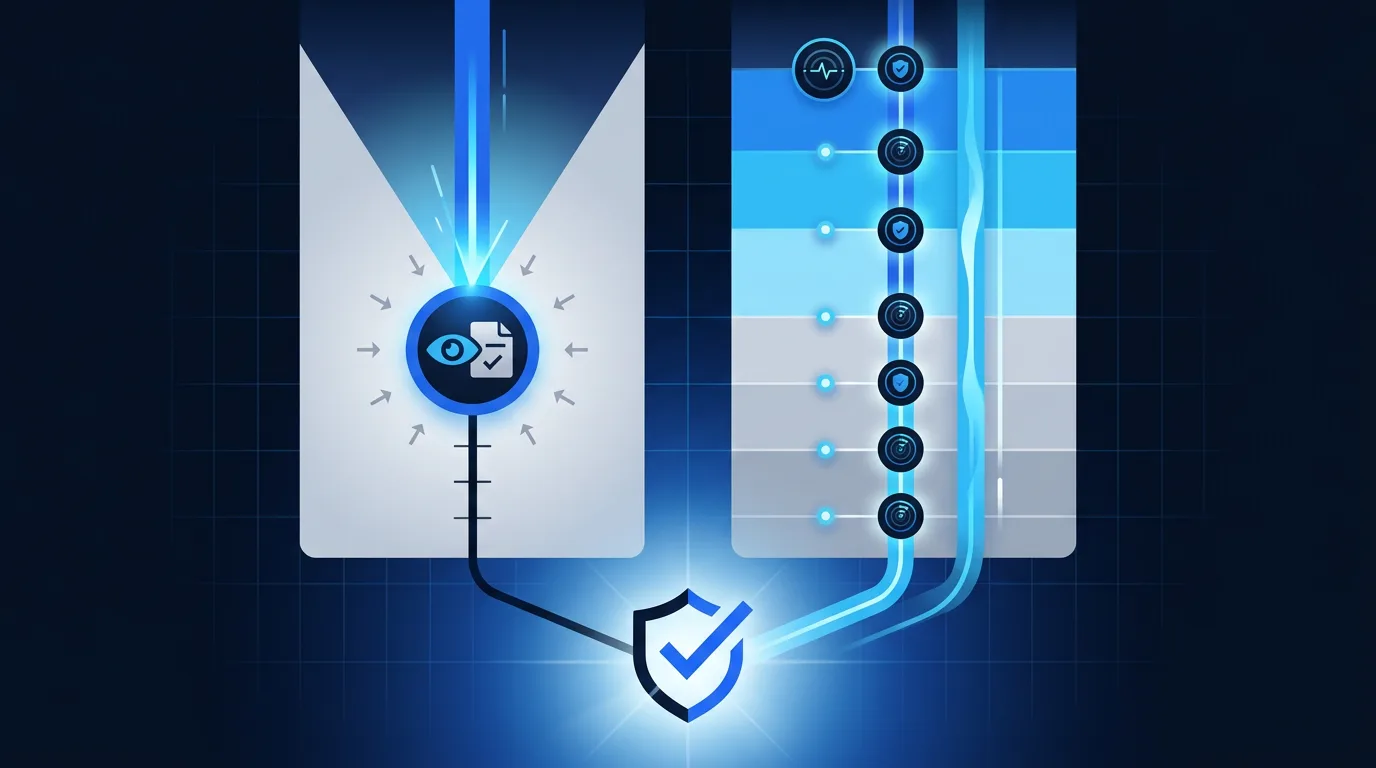
Choosing between platforms that aggregate technical data and those that supply integrated review teams depends on a startup’s immediate audit strategy. Companies must align their software selection with their current compliance maturity. They need to evaluate whether they are capturing a snapshot of their security design or proving those controls operate effectively over an extended period.
The decision often hinges on how the compliance software manages the transition between these reporting phases. The following table illustrates how selected platforms structure their operational focus and professional oversight mechanisms to accommodate both initial assessments and long-term mandates.
| Platform | Core Operational Focus | Auditor Alignment |
|---|---|---|
| Thoropass | SOC 2 Type 1 and Type 2 reporting | In-house auditing services |
| Secureframe | Automated evidence collection | Network of independent auditors |
| Scytale | Continuous control monitoring | Built-in risk assessment frameworks |
As the table indicates, vendors offer distinct pathways for completing the final compliance validation. A unified model with in-house auditing services streamlines the progression from an initial design assessment to ongoing validation. In contrast, systems maintaining a network of independent professionals give growing businesses the flexibility to select an external CPA firm that aligns closely with their industry requirements.
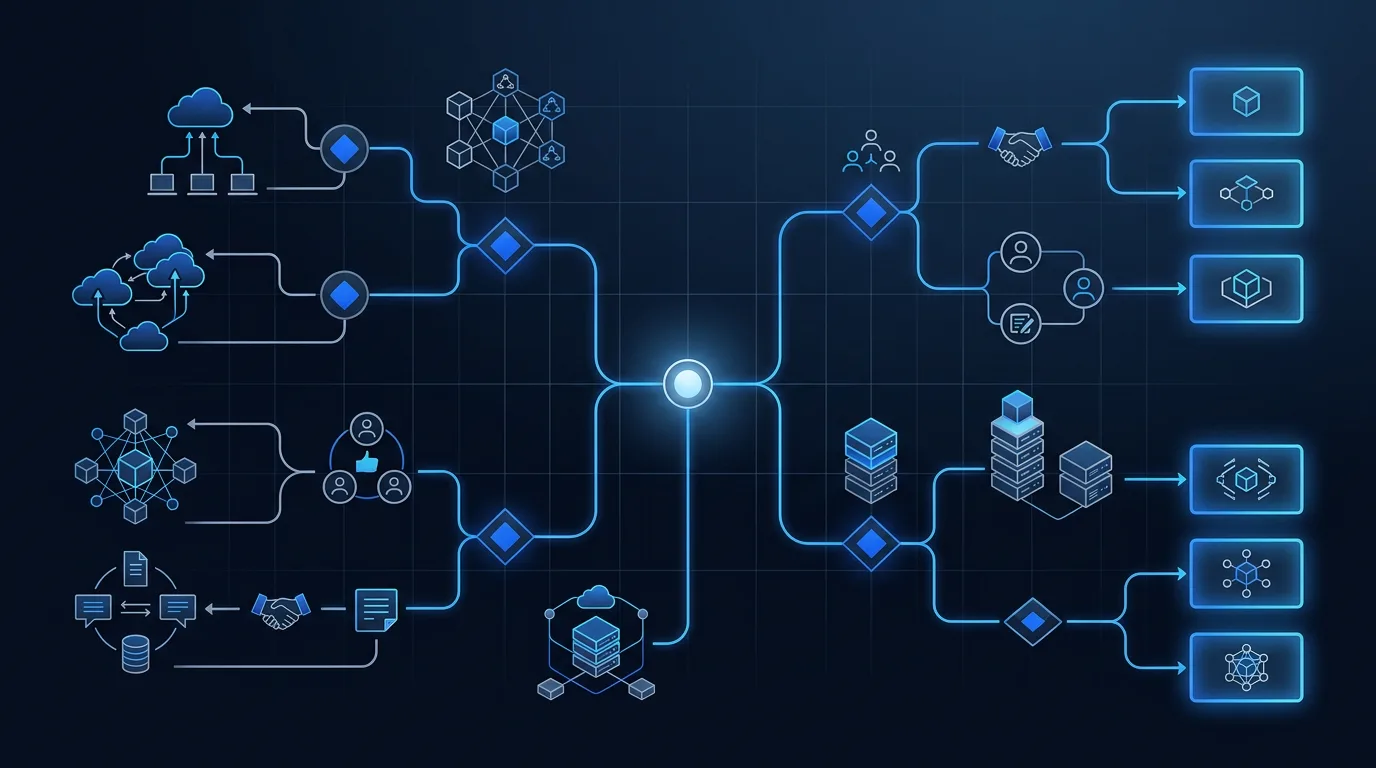
Startups seeking immediate validation frequently begin with a Type 1 report, requiring workflow automation that efficiently maps existing configurations to baseline framework requirements. Because enterprise clients typically expect proof of long-term operating effectiveness, the selected platform must possess robust continuous monitoring capabilities. Securing a system that smoothly transitions from establishing point-in-time design to tracking historical compliance prevents the administrative disruption of migrating tools mid-cycle.
Preparing Your Tech Stack for Automated Monitoring
Transitioning from selecting a compliance platform to executing an audit strategy requires preparing the underlying technical environment. Automation tools rely on deep integrations with cloud infrastructure and identity providers to continuously monitor security controls, making a disorganised technology stack a hindrance to data collection. Startups must standardise their internal systems to ensure the compliance software accurately maps technical configurations to the necessary evidence.
The initial preparation phase must focus on auditing and consolidating cloud environments. Engineering teams should verify that unified administrative accounts centrally manage all production assets, databases, and code repositories. Removing orphaned server instances and enforcing consistent resource tags allows the compliance platform to accurately track assets and assess technical controls without generating continuous false security alerts.
Identity and access management demands similar standardisation before deploying a continuous monitoring tool. Administrators should consolidate user directories into a single identity provider, verifying that role-based access changes are systematically logged. Establishing strict procedures for these access rights ensures that the compliance platform captures accurate evidence of operating effectiveness. Integrating workflow automation for routine provisioning tasks further reduces the risk of manual errors that could complicate the final independent review.
Frequently asked questions
How long does a typical SOC 2 Type 1 readiness phase take when using an automated compliance platform?
Vendors do not publish a universal timeline for completing a SOC 2 Type 1 readiness phase, as the duration depends entirely on a startup’s existing infrastructure maturity. While automated compliance platforms significantly accelerate evidence collection by connecting directly to cloud environments, resolving the security gaps identified during the initial scanning process dictates the schedule. Engineering teams must still allocate time to implement missing controls, update internal policies, and reconfigure technical assets before an auditor can begin the point-in-time assessment.
Do compliance automation tools eliminate the requirement for an annual external penetration test?
Automated software does not remove the necessity for a professional external penetration test. A SOC 2 assessment evaluates the design and operating effectiveness of an organisation’s internal security controls, which typically mandates independent vulnerability testing as a core requirement. Compliance platforms function by monitoring whether the organisation has completed and documented this testing, rather than performing the penetration test themselves. Assessors will still require a formal report from a qualified third-party security firm to validate the external perimeter.
Can a startup achieve SOC 2 compliance utilizing only native security configurations within AWS or Google Cloud?
Relying exclusively on native cloud service provider configurations is insufficient for achieving full SOC 2 compliance. While platforms like AWS and Google Cloud maintain rigorous security standards for their own infrastructure, the shared responsibility model dictates that startups must secure their internal usage of these services. Furthermore, SOC 2 encompasses organisational elements such as human resources protocols, background checks, and endpoint device security. Automated platforms consolidate technical cloud configurations with these broader administrative requirements to present a complete evidence repository.
What happens to continuous monitoring alerts if an engineering team changes its central identity provider mid-audit?
Transitioning to a new central identity provider during an active monitoring period disrupts the automated data collection process. Compliance platforms rely on established application programming interfaces to verify user access levels and onboarding procedures. If the underlying integration is disconnected or replaced, the software will register a failure in continuous control monitoring. Startups must reconfigure the integration within the compliance platform immediately to resume capturing the longitudinal data required by assessors for a Type 2 report.
Are the policy templates provided by compliance software fully customizable to meet industry-specific regulatory nuances?
Most platforms supply foundational policy templates that organisations can modify to address their specific operational requirements. While the standard documentation covers general security practices, data retention, and incident response, unique industry contexts often necessitate tailored language. Engineering and administrative teams can edit these documents directly within the platform to reflect their exact internal procedures. Auditors evaluate an organisation against its own stated policies, making precise customisation essential for an accurate assessment.
How do automated compliance platforms handle evidence collection for companies relying on on-premises hardware or hybrid network environments?
Compliance platforms are fundamentally engineered to integrate with modern, application programming interface-driven cloud services. For organisations operating on-premises hardware or complex hybrid environments, direct automated monitoring is often technically restricted or unavailable. In these scenarios, teams must rely on the software’s manual upload capabilities to supply configuration evidence and access logs. The software functions primarily as an organised repository for these specific assets, requiring system administrators to extract and submit the necessary data on a persistent schedule.
Is it necessary to hire a dedicated internal compliance officer if the organization implements an automation platform?
Implementing an automation platform does not strictly require an organisation to employ a dedicated compliance officer, though it does mandate clear internal ownership. The software streamlines evidence collection and alerts teams to control failures, but human oversight remains necessary to interpret these alerts, enforce personnel policies, and coordinate with the external auditing firm. Many early-stage businesses distribute these responsibilities among existing engineering leadership or operations directors until their growth necessitates a specialised compliance role.
Sources
- Vanta Product Documentation — Vanta, verified 2026-09
- Secureframe Product Documentation — Secureframe, verified 2026-09
- Thoropass Official Documentation — Thoropass, verified 2026-09
- Scytale Official Documentation — Scytale, verified 2026-09
- Sprinto Compliance Automation Documentation — Sprinto, verified 2026-09
- Drata SOC 2 Controls Documentation — Drata, verified 2026-09
AtlasProfitAI publishes independent guides for small-business teams. Read how we choose topics and check our work in our research methodology and advertising disclosure.